Hurricane season in Altamonte Springs presents serious challenges for trees and landscapes. Preparing trees in advance reduces property damage, improves safety, and supports tree health throughout severe weather events.
Tree Health Assessment
Inspect trees for:
- Dead or damaged branches
- Structural weaknesses in the trunk
- Signs of disease or pest infestations
Weak or compromised trees are more likely to fail in high winds. Prioritizing vulnerable trees helps prevent significant storm damage.
Pruning for Wind Resistance
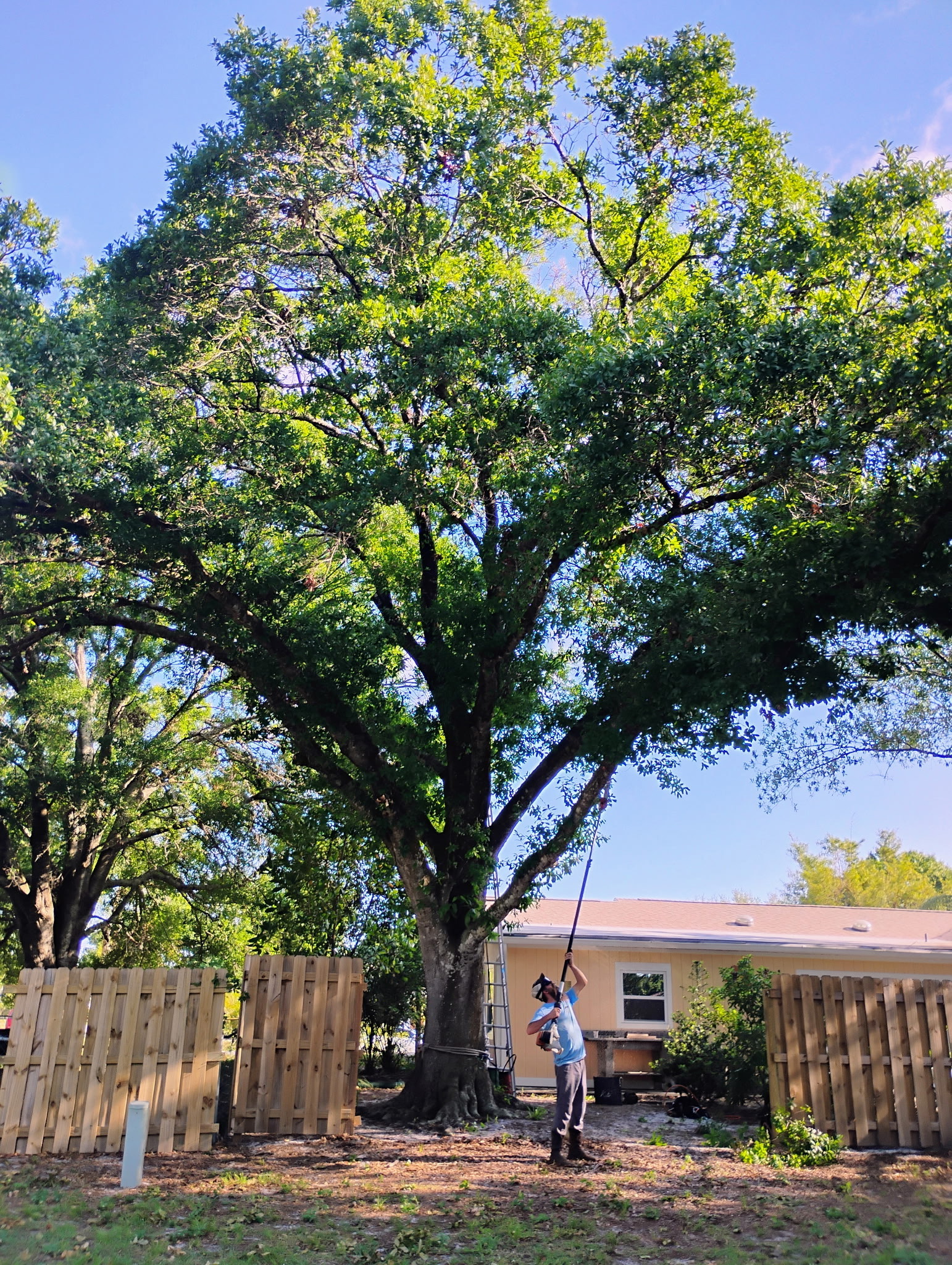
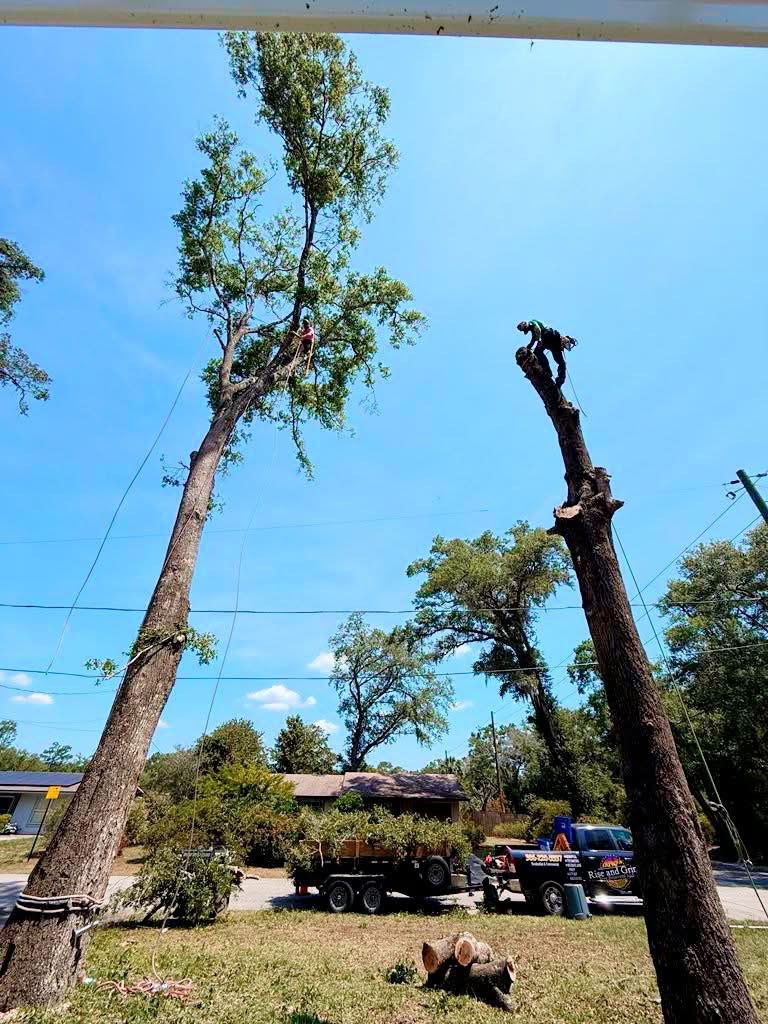
Pruning reduces wind resistance and removes weak limbs that could break during storms. Palm fronds should be selectively trimmed, and crown thinning in hardwoods improves structural integrity. Regular pruning minimizes potential hazards.
Cabling and Bracing
High-value or mature trees may benefit from cabling or bracing. Cabling redistributes weight among branches, while bracing stabilizes trunk splits. These measures reduce the risk of limb failure during hurricanes.
Root and Soil Management
Strong roots anchor trees. Avoid soil compaction, maintain proper irrigation, and apply mulch to support root health. Shallow-rooted trees may require additional stabilization techniques.
Site Preparation
Remove loose debris and dead vegetation to reduce hazards. Ensure access pathways are clear for emergency personnel. Knowledge of species-specific vulnerabilities allows homeowners to prioritize interventions.
Benefits of Preparation
Prepared trees are less likely to fail, protecting property, residents, and landscaping investments. Trees maintained for hurricane resilience contribute to a safer and more visually appealing landscape.
Conclusion
Altamonte Springs homeowners can minimize hurricane-related tree damage by assessing tree health, pruning, installing support systems, and maintaining healthy roots. Proactive preparation protects property and ensures long-term tree health.